

Experience Morocco at Its Best: Cultural Festivals and Events
Photo by MAG Photography

Morocco does not observe a silent calendar. All year round, cities and small towns are saturated with music, color, and shared traditions that are at the same time old and new. These festivals have ceased being an occasion for travelers and have become a cultural exhibition that they view and listen to at the same time. Most visitors research the Morocco e-Visa requirements before deciding on the date of their visit, yet they still plan their trip around a celebration.
Along with spiritual music to desert roses, the festivals in Morocco provide a more in-depth outlook on the country. These are activity occasions that demonstrate the rich Arab, Andalusian, and African fusion in the country.
It is an event, which is held in the city of Fez (which is usually at the beginning of June and lasting around 10 days), and artists from all over the world assemble in order to play music with religious roots. It is performed in antique courtyards, gardens, and outdoors, just like Bab Boujloud, and creates an intimate and powerful impact.
By the Spirit of Fes Foundation, since its inception in 1994, it has featured performers who represent dozens of countries, including Sufi, Gregorian, and Gnawa. This combination makes a commentary on the historical value of Fez as a center of crossroads in the world of culture.
Magic is in the background, which is the ancient medina structures and starlit skies, that make people united and transcendent. Travellers can book rides early to experience the event.
The harvest of the Damask rose is celebrated in the Rose Festival in Kelaat M’Gouna (Valley of the Roses), celebrated in early to mid-May. Flowers are spread everywhere in the streets, there is the music of the brass bands, and people are selling rose perfumes, oils, creams, and sweets.
A major industry in the cosmetics and crafts sector is generated by the region, producing thousands of tons of roses each year. Families extract petals to make essential oils that are sold to different parts of the world.
This enacted activity connects agriculture to happiness, and there are processions of rose picking and a pageant of the Queen of Roses in the pink landscapes of the Dades Valley.
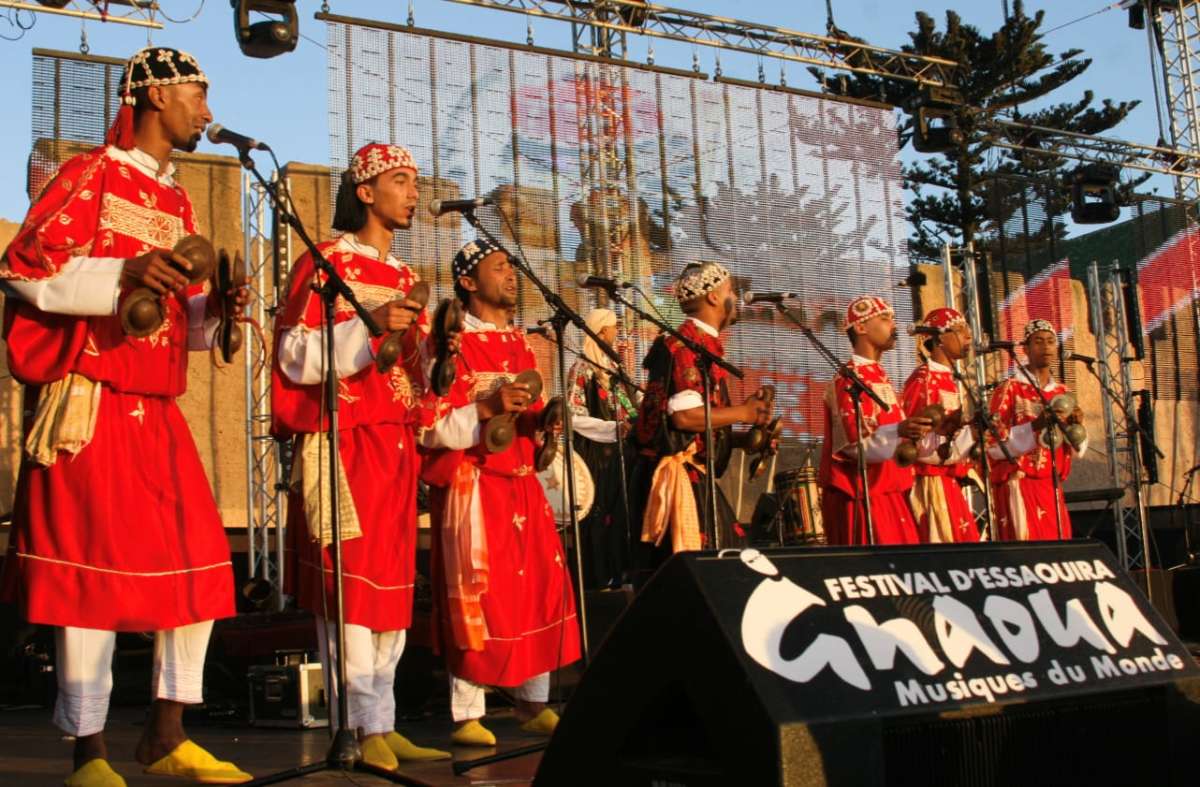
Essaouira Gnaoua World Music Festival (end of June, 4-5 days). The gnaoua music is a fusion of African spirituals, including krakebs, castanets, sintir lutes, and voices, with an implication of jazz or reggae by foreigners.
It attracts about 200,000 viewers who saturate the streets, squares, and beaches with free entertainment outdoors.
Evening songs are memorable with the help of the ocean wind and the whitewashed walls to go along with the group dances of the trance.
Festivals in Morocco are a normal part of the culture, and they are connected with seasons and pride. These festivals have increased attendance and have peaked at an all-time high of 14.5 million in 2023.
They assist in sustaining the local economies, particularly those in the remote locations, to sustain tourism.
At Marrakesh (early July, 5 days at the Bahia Palace), the National Festival of Popular Arts features folk dance, music, and tales of the region. Rif musicians and atlas acrobats bring back the generational traditions.
With 600 artists, it carries the intangible legacy through Fantasia horse shows and Ahwach dances through the support of the Ministry of Culture.
Vivid scenes on mosaic courts are like a living museum of the spoken histories.
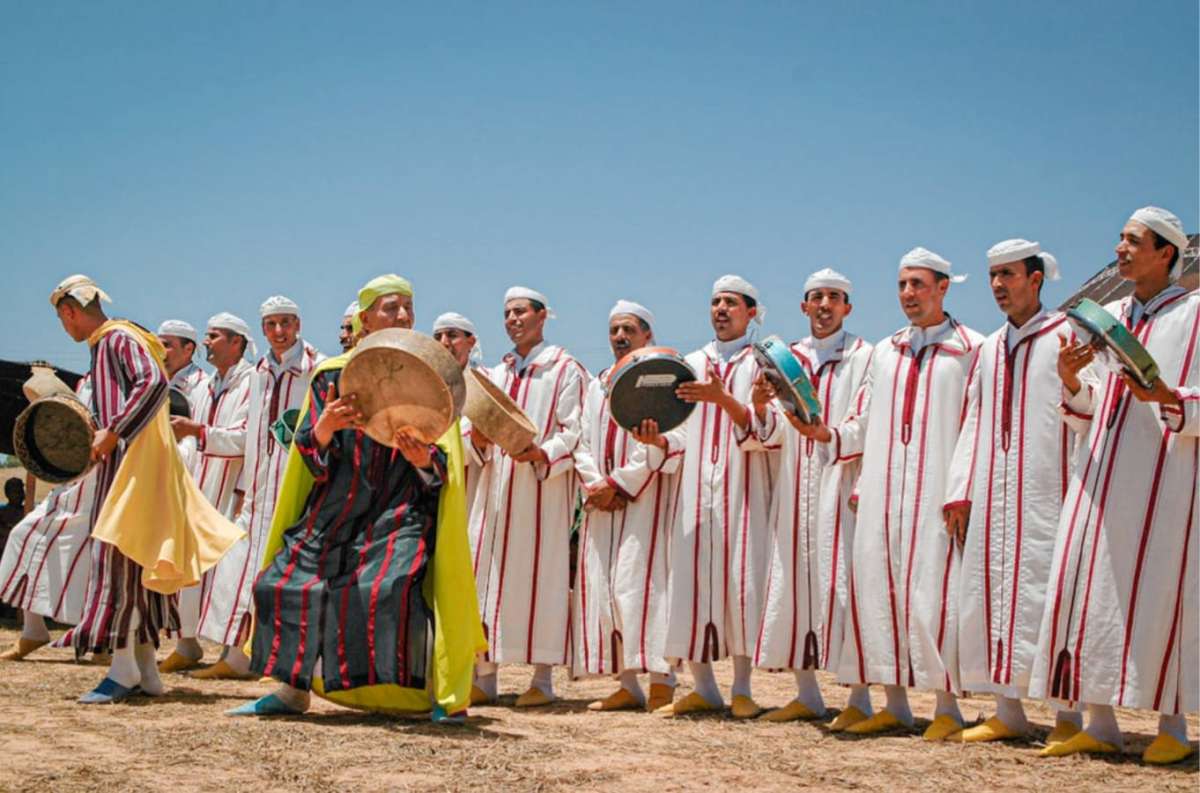
Timitar of Agadir (July, one week) combines the Amazigh musical world with world music. Classical guembri and bendir drums collide with hip-hop and rock performed by such bands as Tinariwen.
The various levels of the corniche and markets attract different groups of people, and they are a blend of native and contemporary youth culture.
The days on the beach are carried on to high-energy nights, displaying the cultural development.
In Morocco, festivals are a part of daily life, and they depict the seasons and pride. Such activities have increased the number of visitors who reached record highs of 14.5 million in 2023.
They accommodate local economies, especially in isolated locations, which enable sustainable tourism.
Book early- follow traditions, book early, and leave festivals to make your experience an experience to remember.