
Kashmir Great Lakes Difficulty: How Hard Is the Trek Really?
A Complete Guide to Trek Difficulty, Altitude Challenges, and Fitness Required
Kashmir Great Lakes Difficulty

The Kashmir Great Lakes Trek ranks among the most scenic Himalayan treks in India. Alpine lakes, endless meadows, and dramatic mountain views make it look almost unreal. Photos on the internet often show calm blue lakes with green grass around them. It feels peaceful and easy.
But the truth surprises many trekkers.
The trek covers high altitude terrain, long walking days, and several steep climbs. Trekkers must cross mountain passes above 4,000 meters and walk nearly 70 kilometers through remote Himalayan landscapes. So before packing your bags, it helps to understand the real Kashmir Great Lakes difficulty level.
This guide explains the trek difficulty, altitude challenges, daily distances, and the fitness you need. It also shares practical tips so you can prepare properly.
Let us break it down step by step.
Kashmir Great Lakes Trek Overview
The Kashmir Great Lakes trek usually begins near Sonamarg and ends near Naranag. During the journey, trekkers cross several famous alpine lakes surrounded by the high peaks of the Kashmir Valley.
Some of the well known lakes include:
Vishansar Lake
Krishansar Lake
Gadsar Lake
Satsar Lakes
Gangbal Lake
The trek lasts around 7 days and reaches a maximum altitude of roughly 4,200 meters at Gadsar Pass.
On paper, the itinerary looks manageable. In reality, the terrain and altitude make it moderately challenging.
Kashmir Great Lakes Difficulty Level
Most trekking experts classify the Kashmir Great Lakes trek as moderate to moderately difficult.
Several factors influence this rating.
1. High Altitude
Altitude plays the biggest role in the trek’s difficulty.
The trek starts near 2,700 meters and gradually climbs above 4,000 meters. At this height, oxygen levels drop significantly. According to studies from the International Society for Mountain Medicine, oxygen availability decreases by almost 40 percent at 4,000 meters compared to sea level.
Because of this, trekkers often experience:
Breathlessness
Mild headaches
Fatigue during climbs
Most itineraries include gradual ascents to help with acclimatization, but the altitude still feels demanding.
2. Long Trekking Days
Trekkers walk between 10 and 14 kilometers per day on average.
Some days require 6 to 8 hours of walking, especially while crossing high passes like Gadsar Pass. The trail also includes continuous ascents and descents.
For example:
The climb from Vishansar to Gadsar involves steep elevation gain.
The descent toward Gangbal includes rocky terrain and uneven trails.
These long days can feel tiring for beginners who lack stamina.
3. Steep Mountain Passes
The trek includes three major high altitude passes:
Nichnai Pass – about 4,100 meters
Gadsar Pass – about 4,200 meters
Zaj Pass – about 4,000 meters
Climbing these passes requires strong legs and steady pacing. The trail often becomes steep, especially during the final ascent.
However, the reward makes every step worth it. When trekkers reach the top, they see wide valleys filled with alpine lakes and glaciers.
4. Changing Mountain Weather
Weather in the Himalayas can change quickly.
Even during summer trekking months, conditions can shift from sunshine to rain within an hour. Strong winds often appear on high passes.
Trekkers sometimes face:
Sudden rainfall
Cold winds
Foggy visibility
Temperature can drop close to 0°C at night, even in July or August.
Because of this, proper gear becomes essential.
Difficulty Breakdown Based on the 7-Day Itinerary
Below is a realistic difficulty analysis based on the classic route of the Kashmir Great Lakes Trek. The trek begins from Srinagar and crosses multiple high mountain passes before ending near Naranag.
This breakdown explains what trekkers usually experience each day and how challenging the terrain feels on the ground.
Day 1: Drive from Srinagar to Shitkadi Campsite
Difficulty: Easy
The journey starts with a scenic drive from Srinagar to the base camp near Sonamarg. Shitkadi campsite sits close to the Sindh River and serves as the starting point of the trek.
The drive usually takes around 3 hours and allows trekkers to slowly adjust to the mountain environment. The altitude here reaches roughly 2,700 meters, so some people may feel mild breathlessness during the evening.
This day remains easy because there is no trekking involved. It mainly helps trekkers rest, check gear, and prepare for the upcoming hike.
 Shitkadi Campsite
Day 2: Trek from Shitkadi Camp to Nichinai Campsite
Difficulty: Moderate
This is the first trekking day and it begins with a steady climb through pine forests and grassy slopes. The trail gradually moves away from the valley and enters higher alpine terrain.
Trekkers cover around 11 to 12 kilometers, which usually takes 6 to 7 hours depending on pace. The ascent remains continuous for long stretches, so beginners may feel the effort.
The trail eventually reaches the peaceful Nichinai campsite surrounded by wide meadows and mountain ridges.
Because of the distance and elevation gain, this day feels moderately difficult, especially for those new to high altitude trekking.
 Nichinai Campsite
Day 3: Trek from Nichinai Camp to Vishansar Lake via Nichinai Pass
Difficulty: Moderate to Challenging
This day includes the first high altitude pass of the trek.
Trekkers climb toward Nichinai Pass, which sits at about 4,100 meters. The climb requires patience because oxygen levels drop significantly at this altitude. According to research by the International Society for Mountain Medicine, oxygen availability decreases noticeably above 4,000 meters, which can slow down walking speed.
After crossing the pass, the trail descends into a wide valley where the stunning Vishansar Lake appears.
The mix of steep ascent and long distance makes this day moderately challenging.
 Vishansar lake
Day 4: Trek from Vishansar Lake to Gadsar Lake via Gadsar Pass
Difficulty: Challenging
This day is widely considered the toughest section of the trek.
Trekkers climb toward Gadsar Pass, the highest point of the route at roughly 4,200 meters. The ascent feels long and demanding, especially in the early morning cold.
Snow patches often remain here even during summer. Strong winds also appear frequently at the top of the pass.
After crossing the pass, trekkers descend toward the dramatic blue waters of Gadsar Lake.
Because of the high altitude, steep climb, and long trekking hours, this day ranks as the most difficult part of the trek.
 Gadsar Pass
Day 5: Trek from Gadsar Lake to Satsar Lake
Difficulty: Moderate
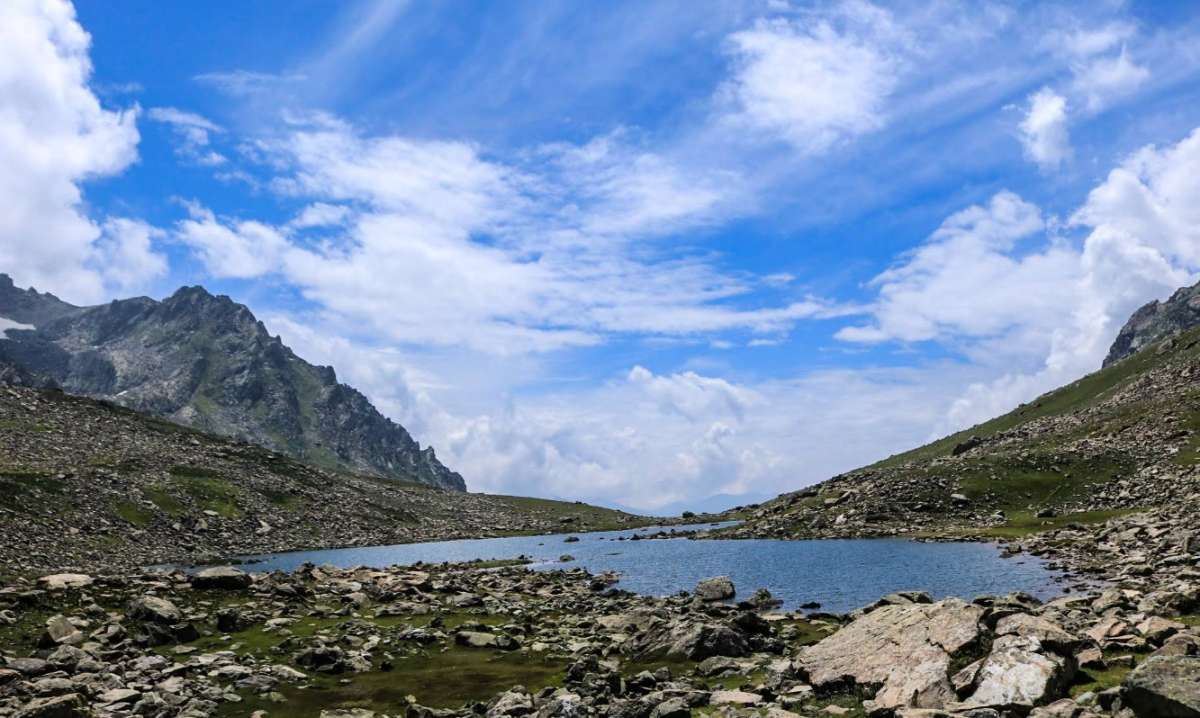
After the previous day’s intense climb, the terrain becomes slightly easier. The trail moves through beautiful valleys and passes a chain of alpine lakes known as the Satsar Lakes.
Trekkers walk around 9 kilometers, mostly across meadows and rolling terrain.
Although the altitude remains high, the path feels less steep compared to the previous days. The scenery also becomes more peaceful, with fewer steep climbs.
Overall, this day feels moderate and gives trekkers some physical recovery.
 Satsar Lake
Day 6: Trek from Satsar Campsite to Gangabal Lake via Zaj Pass
Difficulty: Moderate to Challenging
The day begins with another climb toward Zaj Pass, located close to 4,000 meters.
The ascent requires steady walking but feels shorter compared to the climb toward Gadsar Pass. After crossing the pass, trekkers descend toward the famous twin lakes beneath Mount Harmukh.
The highlight of this day is reaching the breathtaking Gangbal Lake, one of the largest alpine lakes in Kashmir.
The climb to the pass combined with the long descent makes this day moderately challenging.
 Gangabal lake
Day 7: Trek from Gangbal to Naranag and Drive Back to Srinagar
Difficulty: Easy to Moderate
The final day involves a long downhill trek through forests and rocky trails toward the historic village of Naranag.
Trekkers cover around 11 to 12 kilometers, but the route mostly descends, which makes it physically easier than the earlier climbs.
However, the continuous downhill sections can feel tough on the knees, especially after several days of trekking.
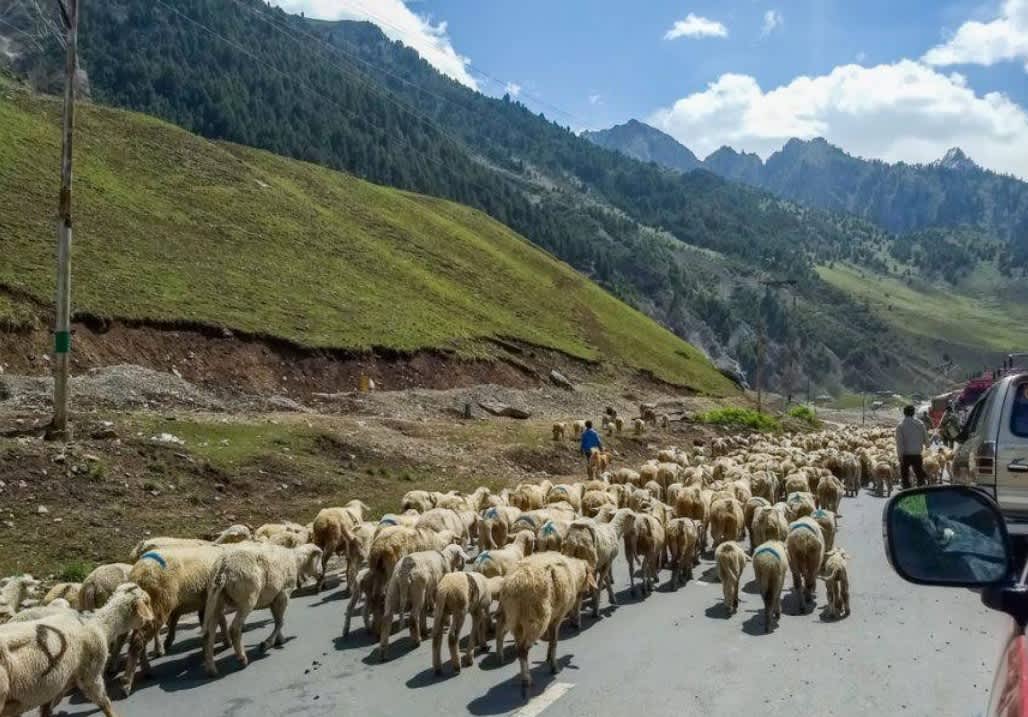
Once the group reaches Naranag, vehicles drive back to Srinagar, marking the end of the adventure.
 Back to Srinagar
Fitness Required for the Trek
Good fitness significantly reduces the difficulty of the Kashmir Great Lakes trek.
Trekkers should comfortably walk 10 kilometers in 2 hours before attempting this trek. Regular cardio helps the body adapt to long trekking days.
Recommended preparation includes:
Jogging or brisk walking
Stair climbing
Cycling
Leg strength exercises
Training for 4 to 6 weeks before the trek improves stamina and reduces fatigue on steep climbs.
Is the Trek Suitable for Beginners?
Yes, beginners can complete the trek if they prepare properly.
Many first time trekkers finish the journey successfully every year. However, they usually prepare in advance and maintain a steady walking pace during the trek.
Beginners should remember one simple rule.
Slow and steady works best at high altitude.
Rushing uphill often causes fatigue and breathing problems.
What Makes the Trek Challenging
Despite its beauty, several factors add difficulty to the Kashmir Great Lakes trek.
Rapid elevation gain within a few days challenges the body.
The trail includes rocky paths, river crossings, and steep slopes.
Rain and cold winds sometimes slow down trekking progress.
The trek passes through remote Himalayan valleys with limited connectivity.
Because of these factors, trekkers must follow safety guidelines and trek with experienced guides.
What Makes the Trek Easier
Several factors also make the trek manageable.
Most itineraries increase altitude slowly.
The route remains well defined during the trekking season.
Popular camps near Vishansar and Gangbal offer good camping areas.
Professional trekking companies provide guides, food, and safety support.
These factors help reduce overall risk.
Best Time to Attempt the Trek
The ideal trekking season falls between July and September.
During these months:
Meadows turn bright green
Snow begins to melt
Lakes appear crystal clear
Wildflowers also bloom across the valleys, creating one of the most colorful landscapes in the Himalayas.
However, weather can still change quickly, so trekkers should carry rain protection.
Essential Tips to Handle the Difficulty
A few smart habits make the trek much easier.
High altitude trekking rewards patience. Slow walking keeps breathing steady.
Hydration helps the body adjust to altitude.
Essential gear includes:
Waterproof jacket
Warm layers
Trekking shoes with strong grip
Trekking poles
Follow the Guide
Experienced trek leaders understand mountain weather and trail conditions.
Listening to their instructions improves safety.
Why the Effort Is Worth It
Even though the trek requires effort, the rewards remain extraordinary.
Trekkers walk through landscapes that feel untouched by time. Alpine lakes reflect snow covered mountains. Shepherd camps appear across vast meadows.
Many trekkers describe the experience as walking through a living postcard of the Himalayas.
Few places in India offer such a dramatic combination of lakes, valleys, and mountain passes.
Final Thoughts
The Kashmir Great Lakes difficulty level sits between moderate and moderately difficult. Long trekking days, high altitude passes, and changing weather make the journey physically demanding.
However, with proper fitness and preparation, most trekkers can complete the route safely.
The key lies in steady pacing, good acclimatization, and reliable trekking support.
If you enjoy high altitude adventures and dream of exploring the Himalayan wilderness, the Kashmir Great Lakes trek offers one of the most unforgettable journeys in India.
And once you see those glowing alpine lakes surrounded by massive peaks, you will probably forget the tired legs and simply smile at the mountains.