
Kuari Pass Trek in Autumn vs Winter: Which Season Should You Choose?
Kuari Pass Trek in Uttarakhand is stunning in both autumn and winter. Compare golden meadows vs snowy trails

The Kuari Pass Trek in Uttarakhand is one of the most beautiful Himalayan treks for beginners and nature lovers. Famous for its wide meadows, oak and rhododendron forests, and clear views of snow-covered peaks, this trek is often called the “Lord Curzon Trail.”
But the big question many trekkers ask is: Should you do Kuari Pass in autumn or winter? Both seasons offer very different experiences. Autumn gives you golden meadows and crystal-clear mountain views, while winter covers the trail with snow and adds a magical charm.
In this article, we compare autumn vs winter for Kuari Pass Trek so you can decide which season is best for you.
Quick Facts about Kuari Pass Trek
Location: Uttarakhand (Chamoli district)
Altitude: Around 12,500 ft (3,810 m)
Duration: 5–6 days
Difficulty: Easy to moderate
Best Seasons: Autumn (September–November) and Winter (December–February)
Kuari Pass Trek in Autumn
Autumn is the post-monsoon season, from September to November. The rains wash the sky clean, and the air becomes crisp. This is the time when Kuari Pass trek looks colorful and bright.
Golden Meadows – The grass turns yellow and golden, making the meadows shine in the sun.
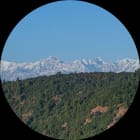
Clear Views – Peaks like Nanda Devi, Kamet, and Dronagiri appear sharp against the blue sky.
Colorful Forests – Oak and rhododendron forests look lively with autumn shades.
Starry Nights – Clear skies make stargazing a highlight.
Days are pleasant (10–15°C).
Nights are cool but not freezing (2–5°C).
No snow, but the trail is clean and dry.
Perfect for beginners due to easy weather.
Best time for photography and mountain views.
Comfortable camping conditions.
Kuari Pass Trek in Winter
Winter lasts from December to February, and this is when Kuari Pass becomes a white wonderland. Snow covers the meadows, forests, and campsites, making the trek look magical.
Snow-Covered Meadows – The bugyals (meadows) turn into endless white fields.
Snow Peaks Everywhere – The entire Garhwal Himalayas look brighter under fresh snow.
Frozen Trails – Walking on snow adds a new adventure.
Winter Campsites – Camping in snow is a unique experience.
Days are cold (0–8°C).
Nights are freezing (-5 to -10°C).
Snowfall is common from late December onwards.
Best time if you want a snowy adventure.
Beautiful frozen landscapes for photographers.
Good preparation for higher treks in the future.
Kuari Pass Trek: Autumn vs Winter Comparison
Feature Autumn (Sept–Nov) Winter (Dec–Feb)
Scenery Golden meadows, clear skies, sharp peaks Snow-covered meadows, frozen trails
Weather Pleasant days, cool nights Cold days, freezing nights
Trail Condition Dry and easy to walk Snow and ice, more challenging
Views Clear and sharp Himalayan views Snow peaks glowing under winter sun
Best For Beginners, families, photographers Adventure seekers, snow lovers
Tips for Both Seasons
Fitness – Do some basic cardio and leg exercises before the trek.
Gear – Autumn: Light warm layers, trekking shoes, jacket. Winter: Heavy winter jacket, gloves, snow gaiters, thermals.
Guides – Always take a local guide or join a trekking group.
Hydration – Drink enough water even in cold weather.
Respect Nature – Do not litter in meadows and forests.
Final Thoughts
The Kuari Pass Trek is beautiful in both autumn and winter, but the choice depends on what you want.
If you want clear skies, golden meadows, and easy weather, choose autumn (September–November).
If you dream of snow trails, frozen landscapes, and a winter adventure, go for winter (December–February).
Both seasons offer unique experiences, and no matter which you choose, the Kuari Pass Trek will leave you with memories for life.
Frequently Asked Questions (FAQ)
Q1. Is Kuari Pass Trek good for beginners? Yes, Kuari Pass Trek is suitable for beginners. In autumn, the trail is dry and easier to walk. In winter, snow makes it slightly more challenging, but with proper gear and guidance, beginners can still enjoy it.
Q2. Can I see snow in November on Kuari Pass trek? Snow usually starts by late December. In November, you will mostly find dry meadows and clear skies, but light snow can sometimes be seen on higher campsites.
Q3. Which season is safer for trekking—autumn or winter? Both are safe if you trek with proper preparation. Autumn is safer for first-time trekkers because of pleasant weather and clear trails. Winter needs more gear and is better for those who want adventure in snow.
Q4. What is the best month for Kuari Pass trek?
Autumn: October and November (clear skies, golden meadows).
Winter: January and February (fresh snow, snowy landscapes).
Q5. How many days are needed for Kuari Pass trek? You need 5–6 days for the trek including travel from Rishikesh/Haridwar to the base village and return.
Q6. Do I need special gear for Kuari Pass in winter? Yes, in winter you need snow trekking shoes, gaiters, thermals, heavy jackets, gloves, and extra layers. In autumn, normal trekking gear with light warm clothes is enough.
Q7. What peaks can I see from Kuari Pass? From Kuari Pass, you can see Nanda Devi, Kamet, Dronagiri, Chaukhamba, Trishul, and Hathi-Ghoda peaks very clearly.