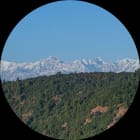

Pangarchulla Peak Trek: A Complete Guide for First-Time Trekkers
Pangarchulla Peak Trek - A Complete Detailed Guide
A complete Begineer Guide For Pangarchulla Peak Trek

Pangarchulla Peak is one of the high-altitude treks in the Indian Himalayas that can give first-time trekkers a real taste of summit trekking. The route combines forest trails, open meadows, snow-covered sections, steep climbs, and wide mountain views.
But this is not a trek you should treat like a simple weekend walk.
The final climb demands stamina, balance, and the ability to walk on steep and sometimes snowy terrain. For a first-time trekker, understanding the route, altitude, weather, fitness needs, and itinerary can make a big difference.
This guide explains what you should know before planning a Pangarchulla Peak Trek, including the route, difficulty, best season, preparation, and what to expect on the trail.
What Is the Pangarchulla Peak Trek?
Pangarchulla Peak is a high-altitude summit trek in the Garhwal Himalayas. The trek is commonly approached from the Joshimath region, with routes passing through areas such as Dhak, Khullara, and the Kuari Pass trail.
The summit rises to around 4,590 metres (15,069 feet) above sea level. The trek stands out because of its summit day. Unlike a trail where you simply walk toward a viewpoint, Pangarchulla asks you to climb toward a proper Himalayan Peak.
That means the experience changes as you gain altitude.
The lower sections take you through forests and mountain villages. Higher up, the landscape opens into alpine meadows and rocky terrain. During the snow season, the upper trail can become much more demanding.
And yes, your legs will probably have a few complaints by summit day. That's normal.
Why Pangarchulla Is Challenging for First-Time Trekkers
The biggest mistake a beginner can make is judging a trek only by the number of kilometres.
Pangarchulla is challenging mainly because of altitude and the steep summit climb.
The trail significant elevation over several days. Your body needs time to adjust to thinner air. The final summit section can also involve steep ascents over snow, rocks, or mixed terrain depending on the season.
You may find the lower forest sections comfortable and then wonder why the mountain suddenly became serious. That's because the upper trail is a different game.
A first-time trekker can still attempt Pangarchulla with proper preparation, but you should not arrive without basic endurance and some experience walking for several hours.
Pangarchulla Peak Trek Difficulty
The Pangarchulla Peak Trek generally falls into the moderate to difficult category.
Several factors contribute to this:
High summit altitude
Steep sections near the summit
Long summit-day effort
Snow and cold conditions in winter and early spring
Rocky and uneven terrain
Reduced oxygen at higher elevations
The difficulty also changes with weather.
A dry trail and a snow-covered trail can feel like two completely different routes. Fresh snow may slow your pace, while hard or icy snow can require extra care with every step.
For first-time trekkers, fitness matters more than speed.
You don't need to race anyone. In the mountains, reaching the summit safely matters more than reaching it first.
Where Does the Trek Start?
The commonly used approach begins from the Dhak village area near Joshimath.
From here, trekkers move toward higher camps and eventually the Pangarchulla summit.
The route also shares sections with the popular Kuari Pass trekking route, which is one reason this region offers such impressive mountain views. The trail passes through forests and open high-altitude landscapes before steeper as you approach the summit.
Because routes and camping arrangements can vary according to season and local conditions, trekkers should always confirm the current itinerary before starting.
Pangarchulla Peak Trek Itinerary
A typical Pangarchulla Peak Trek itinerary takes around five to six days of trekking, excluding or depending on the travel arrangements to and from the base region.
A broad route structure looks like this:
Day 1: Reach the Base Region
Travel toward the Joshimath area and continue to the trek starting point near Dhak, depending on the planned itinerary.
This day usually focuses more on travel and preparation than serious trekking.
Day 2: Dhak to Higher Camp
The trek begins through forested terrain.
The trail gradually gains altitude as you move toward the higher camping area. This is where you start getting a feel for the terrain and your own pace.
Don't try to prove anything on Day 1 of walking.
Save some energy. The mountain has more plans for you.
Day 3: Move Toward Pangarchulla Base Area
The trail continues upward through changing landscapes.
Forest gradually gives way to more open terrain. Depending on the season, snow may start appearing on the route.
This is also an important acclimatisation period.
Walk slowly, drink water regularly, and pay attention to how your body feels.
Day 4: Summit Day
This is the main day of the trek.
The climb toward Pangarchulla Peak becomes steeper and more demanding. Depending on snow conditions, you may need careful foot placement and appropriate equipment.
The summit section requires patience.
You may take several short breaks rather than one long break. The goal is to keep moving at a steady pace without exhausting yourself too early.
Once you reach the summit, the reward is a broad Himalayan panorama.
After spending appropriate time at the top, you descend toward the planned campsite.
Day 5: Descent
The return journey feels different.
Your body has already completed the hardest climb, but descending can put pressure on your knees, especially after a long summit day.
Take your time and watch your footing.
Day 6: Return Journey
Depending on the chosen route and travel plan, the final day takes you back toward the roadhead and onward to your departure point.
The exact number of days can vary between trekking itineraries.
Best Time for Pangarchulla Peak Trek
The best season depends on the kind of experience you want.
Spring can bring snow conditions on the higher sections along with clearer mountain views and changing vegetation at lower elevations.
Autumn generally offers stable trekking conditions, clear mountain views, and less monsoon-related disruption.
Winter and early spring can bring substantial snow to the higher sections. This makes the trek more demanding but also creates the classic snowy summit experience many trekkers want.
Weather in the mountains can change quickly, so no season should be treated as completely predictable.
Always check current weather and trail conditions before departure.
What Mountains Can You See?
One major attraction of the Pangarchulla region is the mountain scenery.
From higher sections, trekkers can see several major Himalayan peaks depending on visibility and exact route position.
Views can include peaks such as Nanda Devi, Dronagiri, Kamet, Hathi Ghoda, Chaukhamba, and other surrounding Himalayan ranges.
Of course, mountains don't follow your photography schedule.
Clouds can cover peaks even when the weather feels perfectly fine. That's part of trekking in the Himalayas.
Fitness Preparation for First-Time Trekkers
You don't need to become an athlete before attempting Pangarchulla.
But you should prepare your body for long uphill walks.
Start training several weeks before the trek. Focus on:
Brisk walking
Jogging if comfortable
Stair climbing
Squats
Lunges
Basic core exercises
Long walks with a light backpack
Try to build endurance gradually.
A good training session isn't the one that destroys your legs. It's the one you can repeat consistently.
You should also practice walking for several hours without taking very long breaks.
What Should You Pack?
Your packing list should match the season.
Basic items include:
Good trekking shoes with proper grip
Warm layers
Waterproof outer layer
Thermal wear in colder months
Gloves and warm socks
Sunglasses
Sunscreen
Water bottle
Personal medicines
Headlamp
Basic first-aid supplies
Trekking poles
Personal identification documents
Small backpack for daily essentials
If you trek during snowy conditions, your equipment needs become more important.
Do not assume ordinary sports shoes will handle snow, mud, rocks, and steep terrain. They may work perfectly on a city road. Pangarchulla is not a city road.
How to Prepare for High Altitude
Altitude deserves serious attention.
As you climb higher, the amount of available oxygen decreases. Some trekkers experience headache, nausea, dizziness, unusual tiredness, or difficulty sleeping.
Never ignore serious symptoms.
If you feel unwell at altitude, tell your trek leader or support team immediately. Continuing upward despite worsening symptoms can become dangerous.
A sensible trekking pace, proper acclimatisation, hydration, and following the planned schedule can help reduce altitude-related problems.
Is Pangarchulla Suitable for a First-Time Trekker?
Yes, but with an important condition.
First-time does not mean unprepared.
If this is your first Himalayan trek, you should build your fitness before arriving and understand that Pangarchulla is more demanding than an easy beginner trail.
If you regularly walk, exercise, and can handle long uphill sections, you can prepare yourself for the challenge.
If you rarely exercise and expect the trek to be a casual walk, Pangarchulla may feel much harder than expected.
Your preparation should match the mountain, not your Instagram expectations.
Choosing a Pangarchulla Peak Trek Package
When comparing a Pangarchulla Peak Trek package, don't look only at the price.
Check what the package actually includes.
Look at the number of trekking days, meals, accommodation, transport arrangements, permits if applicable, camping equipment, guide support, safety arrangements, and any exclusions.
Also check whether the itinerary gives enough time for acclimatisation.
A cheaper package is not necessarily cheaper if important services sit outside the listed price.
Read the inclusions and exclusions carefully before booking.
Common Mistakes First-Time Trekkers Make
One common mistake is packing too much. Another is wearing new trekking shoes on the first day
Don't do that. Break in your shoes before the trek.
Another mistake is walking too fast at the beginning. People often start with lots of energy and then slow down badly later. Keep a steady pace from the start.
Ignoring weather is another problem. Mountain weather can change quickly, so follow local instructions and be ready for route changes.
Finally, don't treat the summit as more important than safety.
Turning around because of dangerous weather, poor visibility, or health problems isn't failure. It is part of responsible trekking
Final Thoughts
The Pangarchulla Peak Trek gives first-time Himalayan trekkers an opportunity to experience something more demanding than a simple forest hike.
You get forests, meadows, snow, steep climbs, high-altitude terrain, and a proper summit attempt in one journey. But the trek rewards preparation.
Train before you arrive. Carry the right gear. Walk at a steady pace. Respect altitude. Listen to your guide and local conditions. Most importantly, don't rush just because someone else is walking faster.
The mountain will still be there. Your job is to reach it safely, enjoy the trail, and return with good memories rather than a story about how you knees filed a formal complaint.