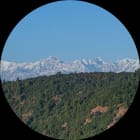

Why Har Ki Dun Is the Most Scenic Valley Trek in India
A complete guide to exploring Uttarakhand’s most beautiful Himalayan valley- where nature, culture, and adventure come
Har ki Dun Trek

The Indian Himalayas are filled with countless trekking trails, but few match the beauty and charm of Har Ki Dun. Tucked deep within the Garhwal region of Uttarakhand, this valley trek combines stunning landscapes, rich cultural heritage, and a sense of peaceful adventure. Known as the “Valley of Gods,” Har Ki Dun offers everything a mountain lover could ask for snow-clad peaks, dense forests, traditional villages, and crystal-clear rivers.
In this article, we’ll explore what makes Har Ki Dun the most scenic valley trek in India from its breathtaking routes to its cultural depth and serene environment.
1. The Beauty of Har Ki Dun Valley
The Har Ki Dun trek is one of the most picturesque journeys in the Indian Himalayas. It lies in the Govind Pashu Vihar National Park, surrounded by the majestic peaks of the Swargarohini, Bandarpoonch, and Black Peak ranges. The name “Har Ki Dun” translates to “Valley of God Shiva”, and true to its name, the place feels divine in every sense.
The trek begins at Sankri, a charming mountain village in Uttarkashi district. As you start walking, the trail leads you through the Supin River Valley, a land of lush greenery, pine and deodar forests, and clear mountain streams. Every turn on the path reveals something new from cascading waterfalls to the peaceful sound of birds echoing through the trees.
This trek isn’t just about reaching the destination; it’s about soaking in the natural beauty that surrounds you at every step.
2. A Trail Through Time and Tradition
One of the things that make Har Ki Dun truly special is its strong connection to local culture and mythology. The valley is said to be the same route that the Pandavas took on their final journey to heaven, as mentioned in the Mahabharata. Because of this, locals regard the region as sacred and full of divine energy.
As you trek through the villages of Osla and Seema, you’ll see ancient wooden houses, unique architecture, and temples that have stood for centuries. The people here live simple lives, following traditional customs that have remained unchanged for generations. Their warm hospitality and genuine smiles make trekkers feel right at home, no matter how far they’ve traveled.
These interactions offer more than just a rest stop they give you a glimpse into the pahadi (mountain) way of life, where harmony with nature is a part of daily existence.
3. The Perfect Blend of Adventure and Serenity
Spanning approximately 34 kilometers, the Har Ki Dun trek takes around 6 to 7 days to complete, depending on your pace and weather conditions. The base camp sits at an altitude of around 11,600–11,700 feet, offering breathtaking views of the Swargarohini peaks and the surrounding snow-capped ranges.
Despite its high altitude, this trek is considered moderate in difficulty, making it ideal for both beginners and experienced trekkers. The gradual ascent allows you to enjoy the scenery without feeling rushed or overwhelmed. The trail passes through a mix of terrain from forests and meadows to streams and ridgelines each adding to the thrill of the adventure.
Unlike popular routes such as Kedarkantha or Valley of Flowers, Har Ki Dun remains relatively untouched. The peaceful environment, the sound of flowing rivers, and the crisp mountain air create a sense of calm that’s hard to find elsewhere.
4. Flora and Fauna: A Haven for Nature Lovers
The Govind Pashu Vihar National Park, which surrounds the trek, is known for its rich biodiversity. While walking through the valley, trekkers often spot rare Himalayan birds like monals and barbets. With a bit of luck, you might even catch a glimpse of black bears, musk deer, or langurs moving gracefully through the forest.
The valley’s flora changes dramatically with the seasons. In spring and early summer, the meadows are covered with wildflowers of every color, while autumn brings a golden glow to the forests. In winter, the entire valley turns into a white wonderland as snow blankets the landscape, offering a magical trekking experience.
This natural diversity is one of the key reasons why Har Ki Dun is known as one of India’s most scenic valley treks.
5. Panoramic Views That Take Your Breath Away
The moment you reach the Har Ki Dun Valley, the view will leave you speechless. Towering in front of you are the Swargarohini peaks, said to represent the stairway to heaven. To the left, you can see the glistening Jaundhar Glacier, while the valley floor stretches endlessly, dotted with blooming flowers and glacial streams.
The sunrise and sunset here are unforgettable the peaks glow golden under the morning sun and fade into shades of pink and orange by evening. Photographers and nature enthusiasts often describe this place as a “live painting,” where every frame is perfect.
Camping under the starlit sky at Har Ki Dun base feels surreal. The silence, broken only by the rustling wind and the crackle of a campfire, makes you realize just how peaceful the mountains can be.
6. The Local Experience: Hospitality and Culture
A major highlight of the Har Ki Dun trek is the chance to interact with the local villagers. The people of Osla, Seema, and nearby settlements are known for their warmth and friendliness. Many trekkers stay in homestays or small lodges, where they get to enjoy simple, home-cooked meals like dal, rice, roti, and local vegetables.
The pahadi hospitality adds an emotional touch to the trek. Conversations over tea, stories about gods and ancestors, and the villagers’ deep respect for nature remind trekkers that true happiness often lies in simplicity.
By the end of the journey, most trekkers leave with a sense of connection not just with the mountains, but also with the people who call them home.
7. Best Time to Visit Har Ki Dun
The Har Ki Dun trek is accessible for most of the year, but the best time to visit is during April to June and September to November.
Summer (April–June): The weather is pleasant, and the valley comes alive with flowers, green pastures, and clear skies.
Autumn (September–November): Offers crisp air, golden forests, and incredible views of snow peaks.
Winter (December–March): The trek is snow-covered and suitable only for experienced trekkers who want a true Himalayan winter experience.
Each season paints the valley in a different color, making it a year-round paradise for nature lovers.
8. Why Har Ki Dun Stands Out
There are many treks in the Indian Himalayas, but Har Ki Dun stands apart because it offers the perfect balance of beauty, adventure, and culture. It’s not just a trek through the mountains it’s a journey through time, faith, and nature.
Whether you’re an avid trekker or a first-timer, Har Ki Dun promises an experience that stays with you long after you’ve returned. From the lush forests of the Supin Valley to the sacred peaks of Swargarohini, every moment feels magical.
Final Thoughts
The Har Ki Dun trek is more than just a scenic trail it’s a story written by nature itself. With its mix of natural beauty, peaceful villages, ancient legends, and warm local culture, it truly represents the heart of the Himalayas.
If you’re looking for an offbeat yet rewarding trekking experience in India, Har Ki Dun is the perfect choice. Its calm landscapes, friendly locals, and divine atmosphere make it one of the most scenic valley treks in India a destination that touches both the eye and the soul.