

How to Install Countertops the Right Way
Right way to install counters: How to Install Countertops the Right Way

When I start a countertop project I never treat it like a small job. A countertop changes the way a kitchen looks and works every day. So if I rush the process I can end up with gaps, weak support or a finish that does not last. That is why I always focus on the right way to install counters from the very beginning.
In my experience the best results come from planning before cutting or lifting anything. For example I check measurements of cabinet level and wall condition before I move forward. I also make sure I understand the material because stone laminate quartz and other surfaces all need different care during countertop installation. As a result I avoid many common mistakes that happen when people skip the basics.
If I am working on a remodel in Dublin and Columbus Ohio I know homeowners want a result that looks clean and feels strong for years. So I pay attention to every step from prep work to sealing and final checks. In this guide I will explain the right way to install counters in simple words so the whole process feels easier to understand.
Good countertop installation starts with careful prep and exact measurements
Strong support and level cabinets matter just as much as the countertop itself
The right finish work helps the countertop look better and last longer
I have seen beautiful countertop materials look bad because they were installed the wrong way. That is why I never judge a project by the slab alone. A high quality surface still needs proper support, clean seams and accurate placement. Otherwise the finished result may chip shift or crack over time.
Also a countertop is not only about style. It is part of daily life. I use it for cooking, cleaning, storage and family routines. So if the height feels wrong or the edges do not line up the problem shows up fast. Because of that I always believe the right way to install counters is about both beauty and function.
In homes across Dublin and Columbus Ohio many people invest in premium materials. However the real value shows when the installation is done with care. That is what protects the investment and helps the space feel complete.
Before I lift a single slab I make a plan. This step may seem simple. However it can save a lot of time later. First I confirm the countertop material. Then I look at cabinet size sink cutout appliance space backsplash plans and edge style. After that I check how each part will fit together.
I also think about how the countertop will be used every day. For example a busy family kitchen may need more durable choices and better seam placement. On the other hand a bathroom vanity may need a different approach because the space is smaller and the layout is tighter. So planning helps me match the installation to the room.
Without a plan I could end up cutting too early or placing support in the wrong spot. Therefore I treat planning as one of the most important steps in the whole job.
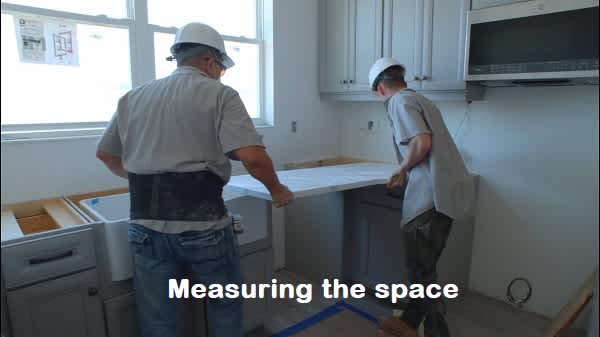
If I want the right way to install counters I must measure with care. I never guess and I never depend on old numbers. Instead I measure the full cabinet run wall depth corner angles overhang areas and appliance openings. Then I measure again to confirm everything.
Walls are not always straight. Cabinets are not always equal. So if I ignore small differences the countertop may not fit properly. That is why I always check every section instead of assuming one line tells the full story.
I also pay close attention to sink cooktops and outlet placement. If I miss even one opening the entire project can get delayed. So accurate measuring is not just a small detail. It is the base of a clean installation.
One of the biggest mistakes I see is placing a new countertop on weak or uneven cabinets. Even the best countertop cannot perform well if the base under it is not ready. So before installation I always inspect the cabinet structure first.
If the cabinets wobble I fix them. If the tops are uneven I level them. If there are gaps between the cabinet and wall I deal with them before the countertop arrives. This step matters because a heavy surface needs full support across the base.
When I skip this part problems show up later. The countertop may rock or the seams may open. In some cases the slab may even crack under pressure. Therefore I never move forward until I know the cabinets are solid and level.
The right way to install counters also depends on the material itself. Different surfaces behave in different ways. So I never use the same method for every countertop.
Quartz is strong and popular. It gives a clean modern look. However it still needs proper support and careful seam work.
Granite is natural and beautiful. It is also heavy. So I make sure the cabinets can carry the weight before installation starts.
Laminate is lighter and often easier to handle. Even so it still needs accurate cutting and smooth edges for a neat finish.
Marble looks elegant. However it can scratch or stain more easily. So I handle it with extra care during placement and sealing.
This option can create smooth seams. Because of that it often works well for modern designs and clean lines.
When I choose the material based on the room and daily use the installation process becomes smoother and the result feels more practical.
I never want the installation day to feel rushed. So I prepare the space ahead of time. First I clear the room. Then I remove old countertops if needed. After that I clean the cabinet tops and check the wall line again.
I also make sure the path into the house is ready. Large slabs are hard to move. Therefore I remove obstacles and protect floors and corners. This helps the team work safely and avoid damage on the way in.
If there will be a sink or cooktop cutout I confirm the final model before the slab goes in. That way I do not end up changing plans at the last minute. Preparation may not be the most exciting step. However it makes the rest of the project far easier.
Before I secure the countertop I like to dry fit it first. This means I place the piece in position without final attachment. Then I study the fit from every angle. I check wall seams overhang and opening alignment.
This step is helpful because it lets me catch issues early. For example if the slab sits too tight against an uneven wall I can make a small adjustment before adhesive goes down. If the overhang looks off I can fix that too. So dry fitting gives me one more chance to protect the finished look.
I never see dry fitting as wasted time. Instead I see it as smart insurance for the whole project.
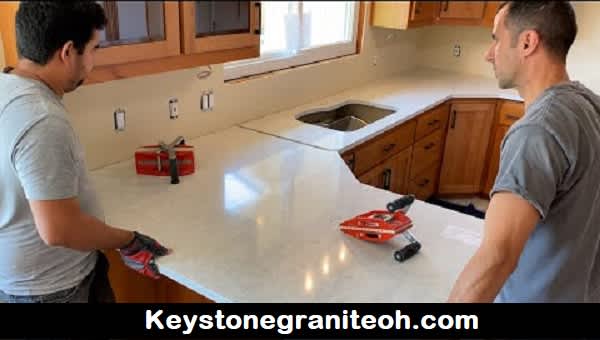
Once the area is ready and the dry fit looks good I move to placement. This is where patience matters most. I lower the countertop carefully and keep pressure even. If the slab is heavy I work with help because trying to force it alone can damage the material or cause injury.
I also make sure the front line stays straight and the edges sit where they should. Then I check the fit around walls and cabinets one more time. If everything lines up I move to secure it based on the material and support system.
At this stage I focus on control not speed. A slow careful placement gives a much better result than a fast careless one.
The right way to install counters includes using the proper method to hold the top in place. I do not use random products or guesswork. Instead I choose the right adhesive or fastening method for the countertop type.
For stone surfaces I often use approved adhesive in the right spots so the slab stays secure without stress. For lighter materials the process may be different. However the goal stays the same. I want stable support without creating pressure points.
I also avoid using too much adhesive. More is not always better. If I overdo it I can create a mess or uneven contact. So I keep the application clean and controlled.
If a project needs seams I want them to look as clean as possible. So I plan the seam location before installation. I try to place seams where they are less obvious and where they still provide strong support.
Then I make sure the seam edges meet well. A bad seam can ruin the whole look of the countertop even if the material is expensive. So I take time to align the surface height pattern and joint line carefully.
This part matters a lot in open kitchens where the countertop becomes a visual focal point. That is why many homeowners exploring countertop stores should think about installation quality just as much as slab color or edge style.
Sink and cooktop cutouts need special attention. These areas can become weak points if they are handled badly. So I always confirm the exact size and template before any final cut happens.
I also make sure there is proper support around the opening. If that support is missing the countertop may crack near the cutout later. Therefore I never treat these sections like minor details.
When the cutout is clean and accurate the sink fits better and the whole countertop looks more polished. So this step has both practical and visual value.
Once the countertop is in place I move to finish work. For natural stone I apply the right sealer if needed. This helps protect the surface from stains and moisture. Then I check edges, corners and backsplash lines to make sure the look feels complete. I also clean the entire surface and remove dust or adhesive residue. After that I inspect every section again. I look for level lines, seam quality edge finish and proper fit near walls and appliances. These final touches may seem small. However they are often what people notice first. So I never rush the last part of the job.
Even a good material can fail if the installation process goes wrong. That is why I stay alert for the most common errors.
If I move too fast at the start the whole project can go off track. So I always measure carefully and confirm details.
A weak base can lead to cracks and uneven results. Therefore I fix support issues before the countertop goes on.
Not every product works for every surface. So I choose based on the countertop material, not guesswork.
A seam in the wrong place can stand out too much or weaken the surface. That is why I plan to go to the seam location early.
If I do not inspect the finished work I may miss a small issue that becomes a bigger problem later.
When I finish a countertop project I ask a few simple questions. Does it feel solid? Do the edges line up? Are the seams clean? Does the sink fit well? Does the countertop look balanced in the room? If the answer is yes then I know the work was done properly.
I also think about daily use. A countertop should not just look nice on day one. It should keep working well after months and years of cooking, cleaning and family use. So the true test of the right way to install counters is how well it performs over time. That is why I focus on the full process, not just the final photo. Good installation supports long term comfort and value.
For me the right way to install counters starts long before the countertop is placed. It begins with planning, measuring, leveling and preparing the space. Then it continues through careful placement, strong support seam work and final inspection. Every step matters because every step affects the result.
If I am working in Dublin and Columbus Ohio I know homeowners want a surface that feels beautiful, durable and worth the investment. So I never treat countertop installation like a shortcut job. Instead I follow the process with care and patience.
When I do that the countertop not only looks better but also works better every single day. And in the end that is what proper installation should always deliver.
In many cases the final installation can happen in one day. However measuring preparation and fabrication often take more time before that day arrives.
Not always. However I make sure the cabinets are strong and in good shape before I install any new countertop on top.
I would not recommend it. Uneven cabinets can create stress gaps and poor seam lines. So leveling the base is one of the most important steps.
If I install natural stone like granite or marble then sealing is often a smart step. It helps protect the surface from stains, moisture and daily wear over time.
If the installation is done badly the countertop may crack, shift or look uneven. It can also cause gaps, poor sink fit and long term damage that costs more to fix.