

Extending Diesel Generator Life: Maintenance Practices for Better RECD for DG Set Performance
RECD For DG Set

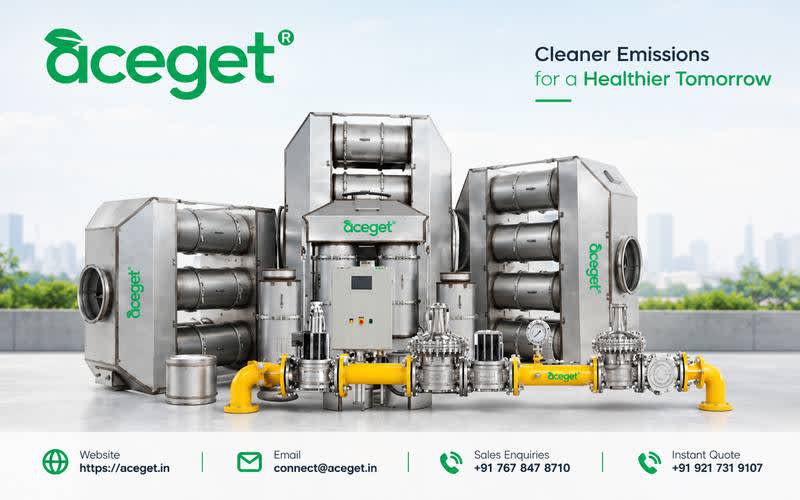
A diesel generator is a long-term power asset, but its service life depends heavily on how it is operated and maintained. Regular servicing alone is not enough if the machine is consistently overloaded, underloaded, exposed to harsh conditions, or operated with contaminated fluids and neglected filters. A disciplined maintenance strategy can reduce avoidable wear, improve reliability, and help the generator deliver dependable performance over many operating hours.
For businesses using emission-control equipment, the same maintenance discipline also matters for RECD for DG Set applications. The engine, exhaust system, and emission-control device work as an interconnected system, so maintaining one while ignoring the others can create performance problems.
The first step toward extending generator life is following the maintenance schedule specified for the particular engine and alternator. Oil grades, coolant requirements, filter replacement intervals, inspection procedures, and service-hour recommendations can vary between models.
A maintenance log should record operating hours, servicing, fluid changes, filter replacements, repairs, alarms, and load-bank tests. These records make it easier to identify gradual changes instead of waiting for a major failure.
Lubrication is fundamental to engine longevity. Oil reduces friction between moving components while also helping carry away contaminants and heat. Running with low, degraded, or unsuitable oil can accelerate wear on critical engine parts.
Coolant deserves similar attention. Low coolant levels, incorrect coolant concentration, leaks, or a blocked radiator can increase operating temperatures and contribute to overheating.
Routine fluid inspections should therefore be treated as preventive maintenance rather than something done only after a warning appears.
Diesel contamination can create problems throughout the fuel system. Water, dirt, sediment, and microbial contamination can affect filters, injectors, and fuel-delivery components.
Replacing fuel filters at appropriate intervals helps protect the injection system. Air filters should also be inspected because restricted or heavily contaminated filters can reduce airflow and affect combustion.
The objective is simple: keep contaminants away from the components that are expensive and difficult to replace.
Operating conditions have a major effect on engine life. A generator that spends long periods at very low loads can experience wet stacking, where incomplete combustion contributes to deposits and exhaust-system buildup.
At the other extreme, persistent overloading increases thermal and mechanical stress. Correct generator sizing and appropriate load management help keep the engine within its intended operating range.
Periodic load-bank testing can also help verify that the generator is capable of delivering its rated output when required.
The surrounding environment can significantly influence generator reliability. Dust, moisture, excessive heat, poor ventilation, and debris can all increase maintenance requirements.
A generator room should have adequate ventilation and sufficient clearance around the equipment. Airflow is particularly important because the cooling system depends on removing heat generated during operation.
CPCB's official guidance covers environmental requirements associated with generator sets and explains the broader regulatory framework for emissions and noise. CPCB's generator-set regulations can therefore be useful when reviewing the installation and environmental aspects of a genset. Central Pollution Control Board
Unusual vibration should never be considered normal simply because the generator continues producing power. Loose fasteners, mounting problems, misalignment, worn bearings, or rotating-component imbalance can progressively damage the machine.
The exhaust system also requires attention. Restrictions caused by carbon accumulation, damaged components, unsuitable exhaust routing, or an overloaded emission-control device can increase backpressure and place additional stress on the engine.
This becomes especially relevant when an RECD for DG Set is installed. CPCB's documentation specifically addresses the applicability and requirements for retrofitted emission-control devices used for particulate-matter reduction on in-use diesel gensets up to 800 kW gross mechanical power. CPCB's RECD compliance document provides the relevant technical and compliance framework. Central Pollution Control Board
Changes in exhaust smoke, fuel consumption, starting behavior, oil pressure, coolant temperature, or engine sound can provide early indications of developing problems.
Black, blue, or white smoke can have different causes depending on engine condition and operating circumstances. Rather than treating smoke as an isolated issue, it should be considered alongside load, fuel quality, air filtration, injection performance, and maintenance history.
An emission-control device should not be viewed as a completely independent component. The condition of the underlying diesel engine influences exhaust characteristics, while exhaust restriction can influence engine operation.
For an RECD for DG Set, inspection and maintenance should therefore form part of the overall generator maintenance program. Differential-pressure monitoring, exhaust inspection, and appropriate servicing can help prevent the emission-control system from becoming an unmanaged source of restriction.
This approach also aligns maintenance with the broader regulatory environment rather than treating compliance as a one-time installation exercise.
Some maintenance tasks can be performed by trained in-house personnel, but periodic professional inspection remains valuable. A qualified technician can identify problems that may not be obvious during routine visual checks, including developing vibration issues, abnormal fluid trends, cooling-system weaknesses, electrical irregularities, and exhaust restrictions.
For a practical checklist of situations that justify expert intervention, Aceget's guide on signs your generator needs professional servicing provides a useful reference.
One of the simplest ways to extend generator life is to maintain accurate records. Tracking engine hours, oil consumption, coolant additions, fuel-filter changes, repairs, alarms, and load tests makes trends easier to identify.
For example, gradually increasing coolant consumption or declining oil pressure may be more meaningful when compared across several service records than when viewed as a single reading.
The BIS National Regulatory Library material on DG sets also highlights the regulatory and installation considerations associated with diesel-generator systems. Bureau of Indian Standards
Extending generator life is not about one special maintenance procedure. It comes from consistently managing fluids, filtration, loading, cooling, vibration, exhaust conditions, operating environment, and service records.
Generator vibration should be treated as a condition that requires diagnosis rather than simply accepting it as part of diesel-engine operation. Rotating imbalance, engine-alternator misalignment, loose mounting hardware, damaged isolators and structural resonance can all contribute to excessive vibration.
For installations using an RECD for DG Set, controlling vibration also helps protect exhaust connections and associated components from unnecessary mechanical stress. Regular inspection, correct installation and timely vibration analysis can therefore improve generator reliability while supporting a more stable overall emission-control installation.